Homie
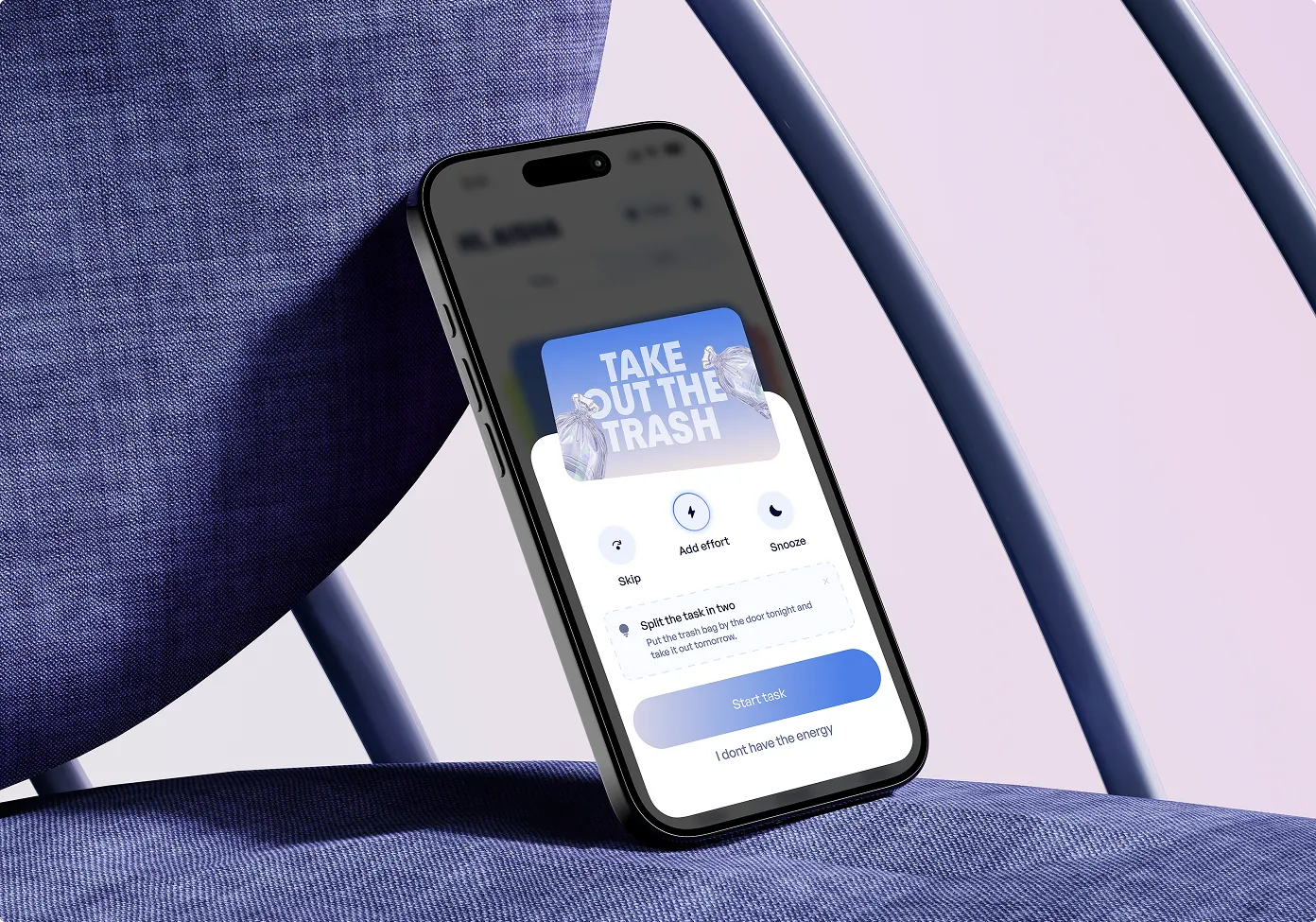
A digital app concept designed to support young adults in managing and maintaining their homes by adapting household tasks to their daily life and energy levels.
Client
Lectoraat Jeugdzorg
Expertises
UX research / UX-UI design
Duration
20 weeks
Golden Dot Awards Nomination
Problem
Not all young people start their adult lives with the same opportunities, especially those in residential youth care. When leaving care, they must quickly take responsibility for housing, finances, health, and work. Many feel mentally drained, making it difficult to manage household tasks.
As tasks accumulate, clutter builds up, which contribute to mental distress. Young adults need practical, accessible support to maintain an organized living environment while navigating the challenges of independent adulthood.
Solution
Homie helps young adults turn chaos into something manageable by planning household tasks around their daily life. With gentle reminders and real-time support, Homie doesn’t demand more from them, it helps them do what’s right when it fits.
As they grow more confident, Homie slowly steps back, so they’re not
just surviving, but learning how to truly live on their own.
Publications
Living alone takes more than skills, it’s everything around it
For many young adults leaving residential youth care, independent living starts abruptly. They suddenly become responsible for housing, finances, work and maintaining a home, often without a strong support network.
Emperical research revealed that the core challenge wasn't a lack of practical skills, but limited mental capacity. When daily life becomes overwhelming, even simple household tasks can feel impossible. As household tasks pile up, clutter and stress reinforce each other, creating a cycle that's difficult to escape. Homie was designed to break that cycle.


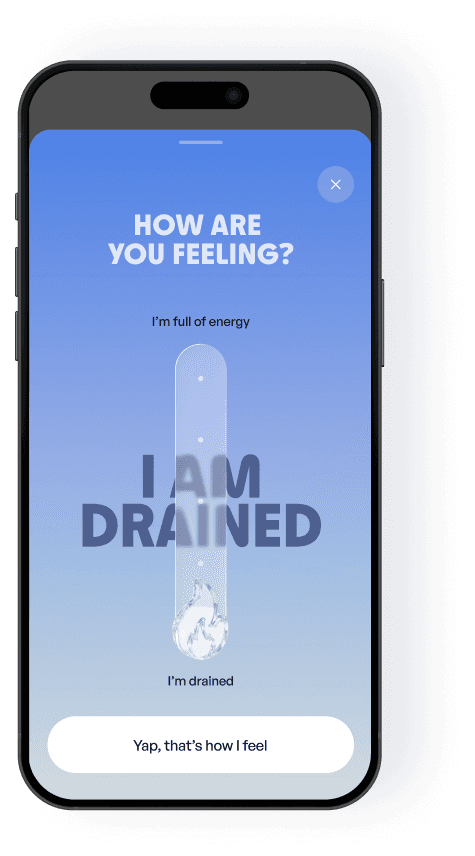
Homie isn’t about perfection
Instead of expecting young adults to adapt to household demands, Homie adapts to them. Usability & A/B testing showed that fixed to-do lists felt rigid and overwhelming, leading to unnecessary pressure.
Based on these insights, tasks were redesigned as flexible suggestions that respond to users’ energy and daily reality, giving them the freedom to decide what feels manageable in the moment.




Designed to make itself unnecessary
Interviews revealed that while young adults struggled with managing their own household, they also wanted to become independent as quickly as possible. They valued support, but not dependence.
Based on this, Homie was designed to gradually step back as confidence and routines develop. It adapts to changing energy levels, and personal growth, creating a sense of support that feels natural rather than demanding.
As confidence grows, Homie slowly steps back, giving young adults more space to take ownership of their household. The goal is not to create dependency, but to help them build trust in themselves and feel capable of managing life independently. Like a good homie, it’s there when needed, and knows when to give you room to grow.


Credits
Research
Kaylin Bartelings
UX / UI Design
Kaylin Bartelings
